What Epitalon studies found about sleep and aging
People talk about better sleep and longer life. The studies give you a smaller, much less certain answer.
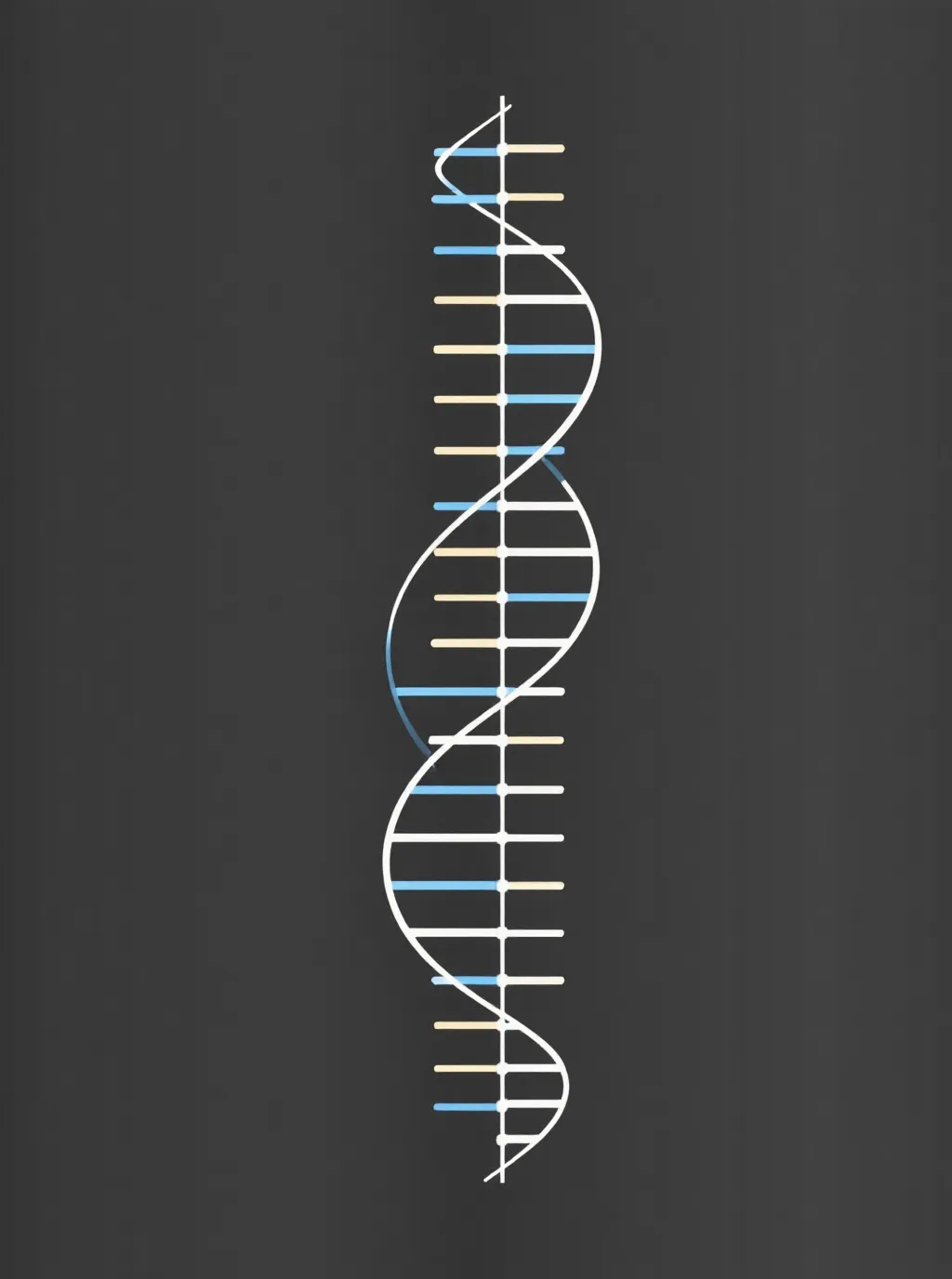
Poor sleep often leads people to Epitalon
A poor night's sleep can drag through the next day. That's often what first brings people to Epitalon.
Epitalon is a lab-made peptide, or short chain of protein parts. This chain has four parts.
Most early studies came from one Russian group. That makes each hopeful finding less sure for you.
Other labs began checking some work in 2024 and 2025. Epitalon isn't approved as medicine in the US, Europe, or the UK.
People using it for research often mention sleep, while many feel nothing. No study has sorted people by chance and checked those reports.
If you were sitting at my table, I'd put that limit first and ask you to keep it in mind while the effects page explains what people report and what those reports can't prove. That's the first limit.
Epitalon lengthened cell ends, and a few mice lived longer
The first studies didn't ask whether Epitalon made anyone feel younger. They tested human cells in dishes and female mice.
Your DNA sits in chromosomes, and their protective ends shorten when cells copy themselves. In one dish, Epitalon turned on telomerase, a cell tool that rebuilt those ends [1].
The chromosome ends grew longer. Another report said treated cells kept making copies after untreated cells would normally stop [7].
That may mean a longer life for those cells, but nobody knows whether it's helpful or risky. Both reports came from the same research group.
One mouse study gave each animal 1.0 microgram under the skin. A million micrograms together weigh one gram.
The mice got shots on five days per month, starting at three months old. The longest-lived mice gained 12.3%, but average life span didn't rise [3].
About one-sixth as many mice got leukemia. The test still can't tell you how you'd feel or what years of use might do.
The Epitalon references page leads you to each paper. A chemical name alone can't tell you whether this substance could help or harm you.
Most early answers came from one group
Vladimir Khavinson and his coworkers in Russia did most early Epitalon work [2]. They tested human cells, mice, and older people.
Few labs outside Russia tried the main chromosome test before 2024-2025. A result is harder to trust when the same group keeps finding it.
The review published in 2025 found large gaps in how Epitalon may act [4]. It couldn't predict whether your health would improve, stay the same, or suffer harm.
That's the limit to keep beside every claim. Longer mouse life and cell changes still haven't shown that Epitalon helps you.
Rat cells released more of a sleep hormone
Your body uses the hormone melatonin to set sleeping and waking times. Cells from a rat's small brain gland released more melatonin after Epitalon was added [6].
That happened in a dish, with no sleeping person in the test. It may explain the sleep claim, but it can't prove better sleep.
The cell repair page explains the tool that rebuilt chromosome ends. The research page tells you what every kind of test found.
Epitalon is often confused with epithalamin, an older mix from a cattle gland. The Epitalon peptide page explains why findings for the two materials can't be swapped.
Choose the question you want answered
Start with the research page for the tests in people, animals, and cells. Each entry names what was tested and then states the finding.
The dosage page lists study amounts without making a plan for you. On the effects page, personal stories stay apart from study findings.
Each numbered paper appears on the references page. You won't find a clinic, prescription, or sales offer behind these pages.